

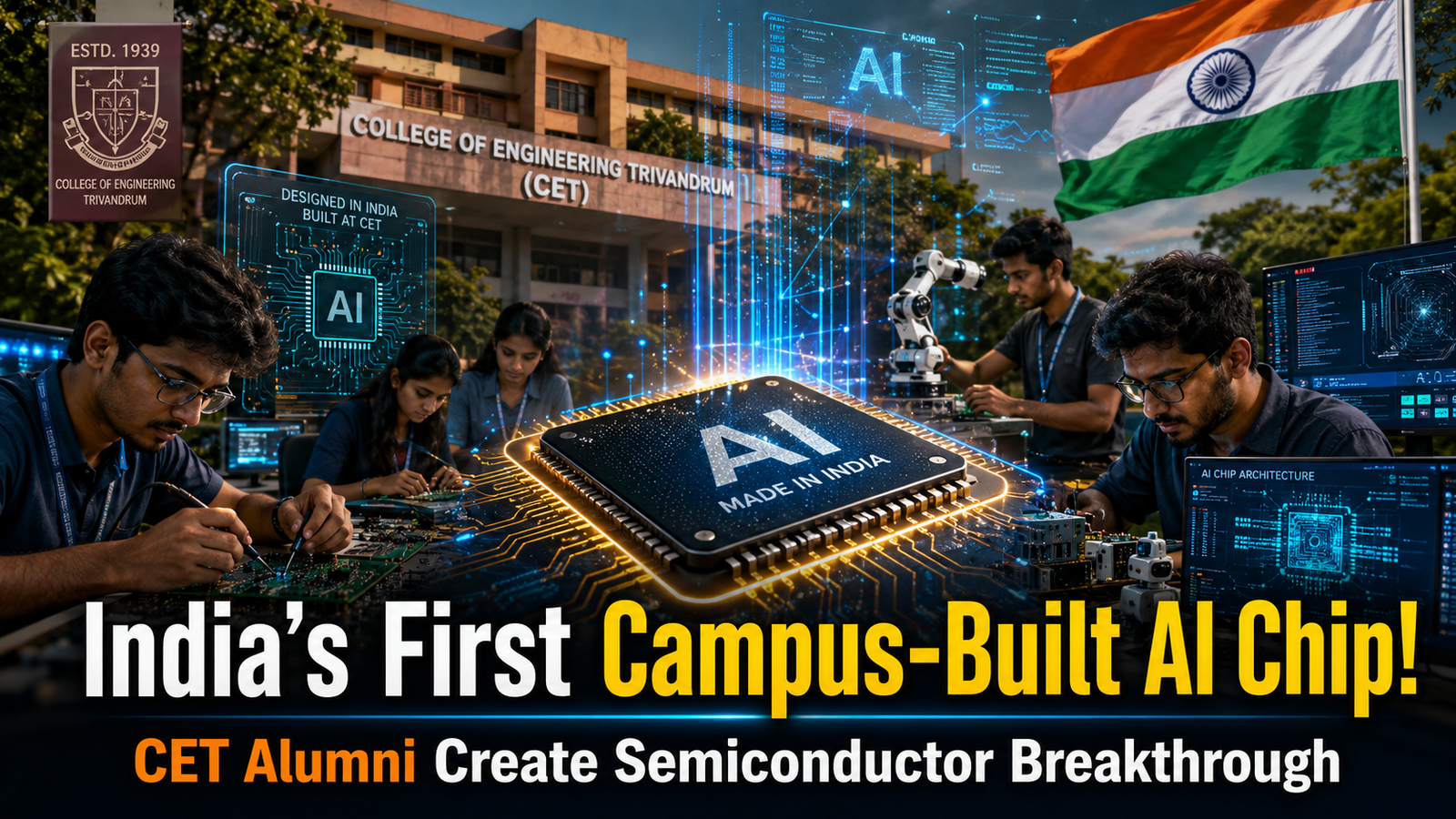

The Indian startup ecosystem is witnessing a new phase of transformation, powered by a combination of government policy support, rising deeptech innovation, and renewed investor confidence.
From artificial intelligence to semiconductor development and climate technology, startups are moving beyond traditional models and entering high-impact, research-driven domains.
This shift marks the beginning of what experts are calling India’s “Next Startup Wave.”
🌐 Policy Push Driving Innovation
Government initiatives continue to play a crucial role in strengthening the startup ecosystem.
Key policy drivers include:
- Startup India Mission
- Digital India initiatives
- Production Linked Incentive (PLI) schemes
- DeepTech and semiconductor-focused policies
These frameworks aim to:
✔ encourage innovation
✔ reduce regulatory barriers
✔ support early-stage startups
✔ promote research and development
Such policy backing is enabling startups to scale faster and compete globally.
🤖 DeepTech Startups Take Centre Stage
One of the most significant shifts in the ecosystem is the rise of DeepTech startups.
Unlike traditional startups, deeptech companies focus on advanced scientific and engineering innovation, including:
- Artificial Intelligence (AI)
- Machine Learning
- Robotics
- Quantum Computing
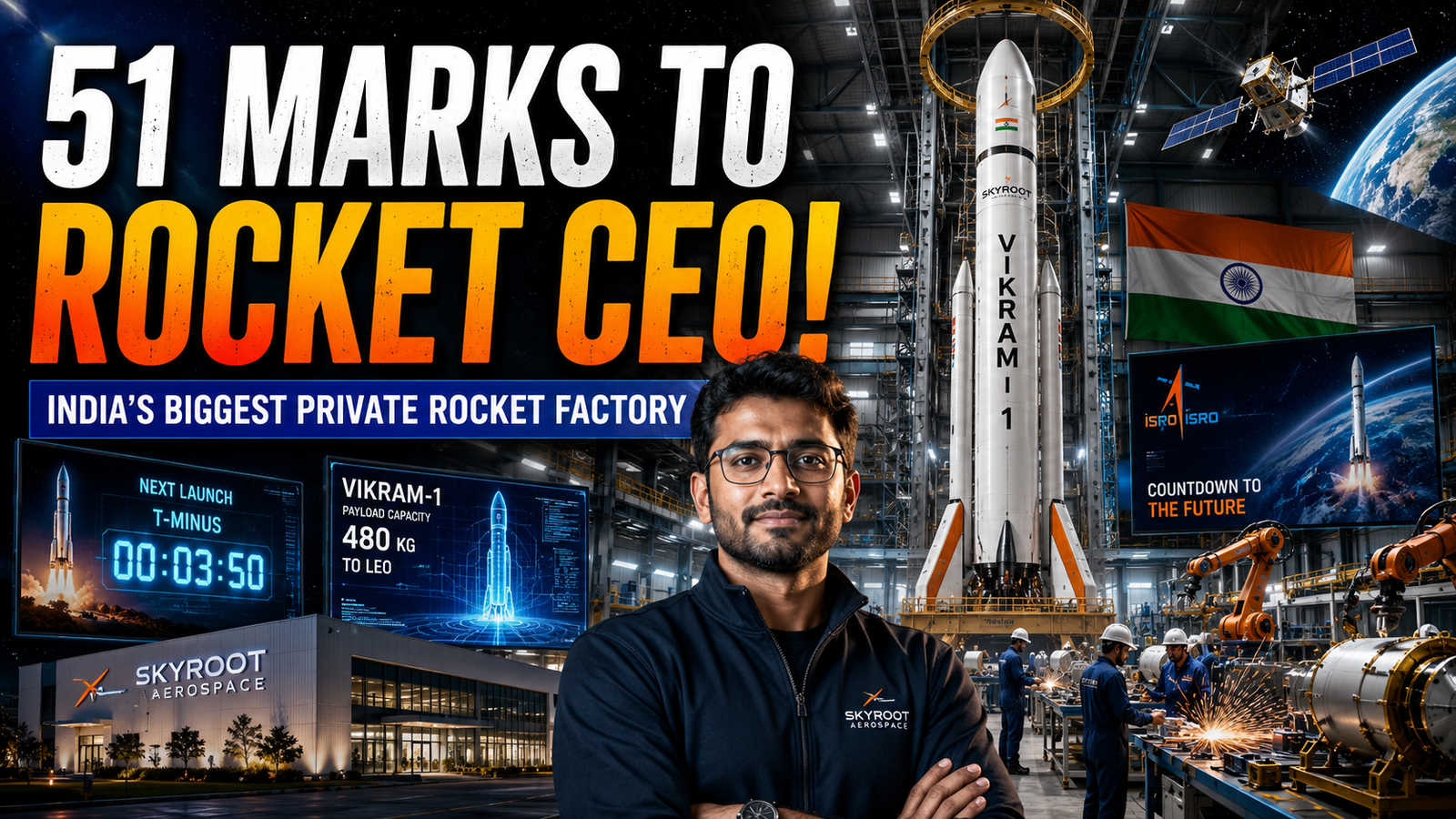
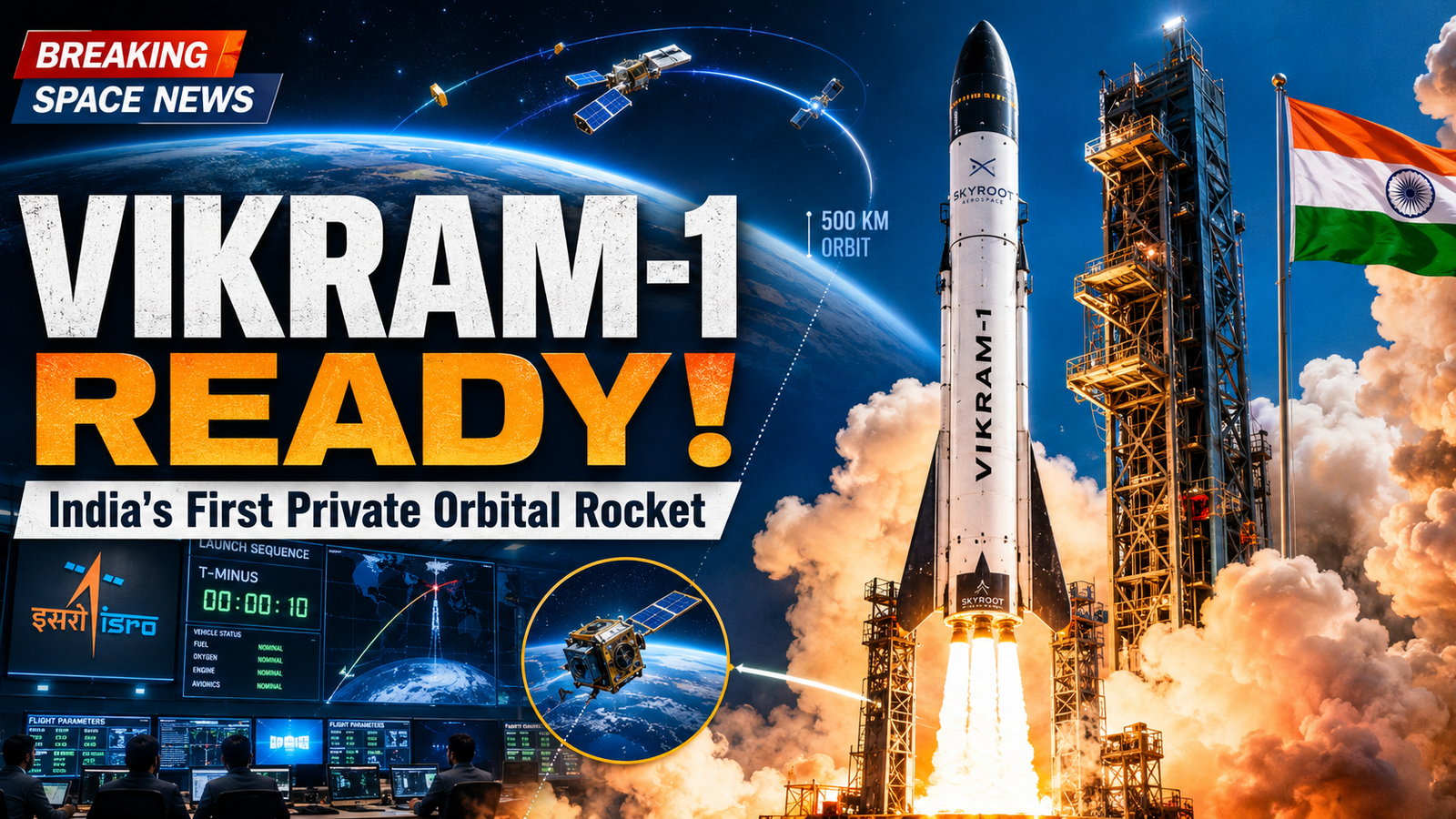
- Space Technology
- Biotechnology
These startups require:
- long-term investment
- strong research capabilities
- technical expertise
But they also offer high-impact solutions with global scalability.
💰 Fresh Capital Signals Investor Confidence
After a cautious investment phase, venture capital activity is picking up again, signaling renewed confidence in the startup ecosystem.
Investors are now focusing on:
- sustainable business models
- profitability over rapid expansion
- innovation-led growth
- long-term value creation
Funding is increasingly being directed toward deeptech and high-impact sectors, rather than purely consumer-driven startups.
🌍 Global Collaborations & Expansion
Indian startups are also expanding their global footprint through:
- cross-border partnerships
- international market expansion
- research collaborations
- global investor participation
This trend is helping startups:
✔ access global talent
✔ enter new markets
✔ scale technologies faster
✔ compete at an international level
India is now positioning itself as a global innovation hub, not just a startup market.
🇮🇳 Why This Matters for India
The new startup wave has far-reaching implications:
- job creation across sectors
- growth of innovation-led economy
- strengthening of India’s global tech position
- development of indigenous technologies
Deeptech innovation, in particular, is critical for:
- national security
- digital independence
- advanced manufacturing
- scientific leadership
📊 Opportunities for Students & Entrepreneurs
This evolving ecosystem creates massive opportunities for:
🎓 Students
💡 Innovators
🚀 Aspiring entrepreneurs
High-growth areas include:
- AI & Data Science
- Robotics & Automation
- Climate Tech
- HealthTech
- SpaceTech
- Semiconductor Technology
Students focusing on STEM education, research, and innovation skills will be best positioned to benefit from this shift.
🌟 The Road Ahead
India’s startup journey is no longer just about creating apps or digital platforms.
It is now about:
👉 solving complex global challenges
👉 building cutting-edge technologies
👉 driving sustainable innovation
With strong policy backing, increasing investments, and a growing talent pool, India is set to lead the next global innovation revolution.
🔗 Important Links
Startup India
https://www.startupindia.gov.in
Digital India
https://www.digitalindia.gov.in
⚠ Detailed Disclaimer
This article is based on publicly available reports and startup ecosystem updates from credible media sources. The information reflects general trends in funding, policy, and innovation and may evolve over time. CareerVarta does not represent any startup, investor, or government authority mentioned. Readers are advised to refer to official announcements and company disclosures for specific investment and policy details.