


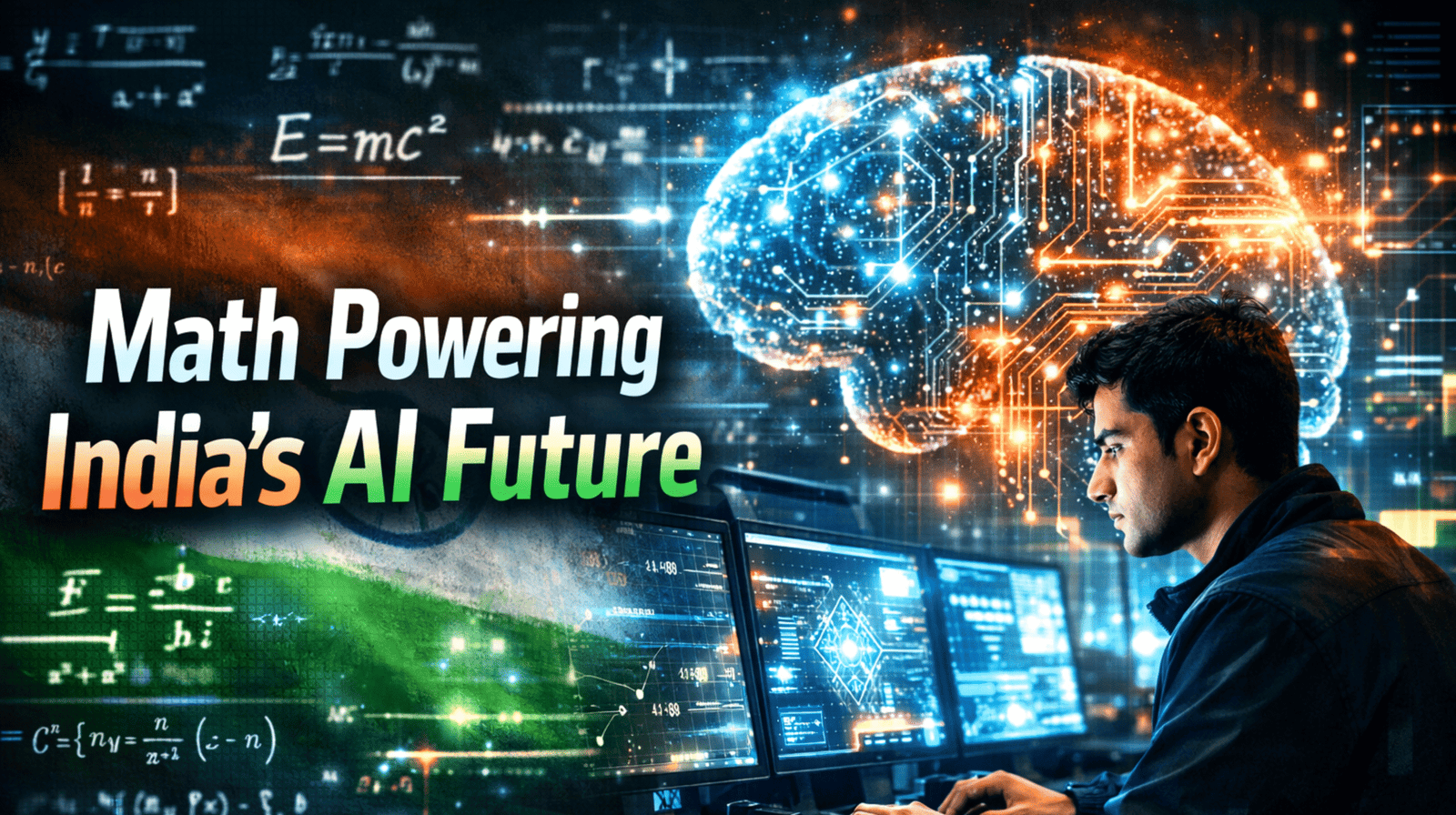

As artificial intelligence reshapes classrooms, workplaces, and daily life, educators and policymakers are increasingly calling for AI literacy to become a core component of digital education.
From AI-powered tutoring tools to automated content generation and adaptive learning systems, artificial intelligence is no longer a futuristic concept — it is actively transforming how students learn and how teachers teach.

Experts argue that understanding AI is no longer optional. It is foundational.
📚 What Is AI Literacy?
AI literacy goes beyond learning how to code.
It includes understanding:
- How AI systems work
- What machine learning models do
- How data influences outcomes
- The ethical implications of AI
- The limitations and biases of algorithms
- Responsible AI usage
In simple terms, AI literacy means being able to critically engage with AI technologies rather than passively consume them.
🎓 Why AI Literacy Matters in Schools and Colleges
1️⃣ Preparing Students for the Future Workforce
AI is already embedded in:
- Finance
- Healthcare
- Manufacturing
- Media
- Government services
- Startups and tech enterprises
Students entering the job market must understand AI tools, workflows, and risks.
2️⃣ Preventing Misinformation & Deepfake Risks
As AI-generated content becomes more sophisticated:
- Deepfakes are harder to detect
- Synthetic media is widespread
- Automated misinformation spreads faster
AI literacy helps students develop critical thinking skills to verify authenticity in a digital world.
3️⃣ Promoting Ethical Awareness
Understanding AI systems also means recognizing:
- Data privacy issues
- Algorithmic bias
- Fairness concerns
- Responsible technology development
Ethical awareness is becoming as important as technical skill.
🏫 AI in Digital Learning Platforms
EdTech platforms now use AI for:
- Personalized learning pathways
- Automated assessments
- Adaptive difficulty levels
- AI chat tutors
- Predictive analytics
While these tools enhance learning efficiency, students must understand:
How recommendations are generated
What data is collected
Where human oversight remains essential
🇮🇳 India’s AI Education Push
India has launched multiple initiatives to strengthen AI education:
- National AI strategies
- Skill India digital programs
- AI research hubs
- School-level coding initiatives
- Integration of technology under NEP
However, experts stress that AI education must move beyond technical elites and reach all learners — including rural and underserved communities.
“AI literacy for all” emphasizes inclusivity.
🧠 Beyond Coding: The Broader Skill Set
AI literacy combines:
✔ Technical understanding
✔ Analytical thinking
✔ Ethical reasoning
✔ Digital awareness
✔ Interdisciplinary collaboration
Students do not need to become AI engineers — but they must become informed AI users.
⚠ Challenges in Implementing AI Literacy
Despite its importance, challenges remain:
- Lack of trained AI educators
- Uneven digital infrastructure
- Curriculum standardisation gaps
- Risk of overreliance on AI tools
- Data privacy concerns
Effective implementation requires:
- Teacher training
- Updated curriculum frameworks
- Public-private collaboration
- Strong regulatory oversight
🌍 Global Context
Countries such as the United States, China, Singapore, and the European Union are integrating AI education at school levels.
For India to remain competitive in the global digital economy, widespread AI literacy will be crucial.
🔮 The Future of Digital Learning
As AI becomes embedded in everyday systems — from search engines to smart assistants — digital education must evolve.
The classroom of the future may involve:
- AI co-teachers
- Immersive simulations
- Real-time adaptive assessment
- Hybrid human-AI collaboration
In such a world, ignorance of AI may create digital inequality.
Understanding AI may become as essential as basic computer literacy once was.
🌟 Final Takeaway
AI literacy is not about replacing teachers or traditional learning.
It is about empowering students to:
Use AI responsibly
Question AI outputs critically
Build technology ethically
Navigate a rapidly evolving digital society
In the age of intelligent systems, awareness is power.
And AI literacy may well define the next generation of informed digital citizens.
⚠ Disclaimer
This article is based on publicly available media reports and expert commentary regarding AI literacy in digital education. Policy implementations, curriculum frameworks, and government initiatives may evolve over time. Readers are advised to refer to official education ministry notifications and institutional guidelines for the most accurate and updated information. The analysis presented is for informational purposes only. CareerVarta does not represent any government authority or educational institution mentioned in this article.