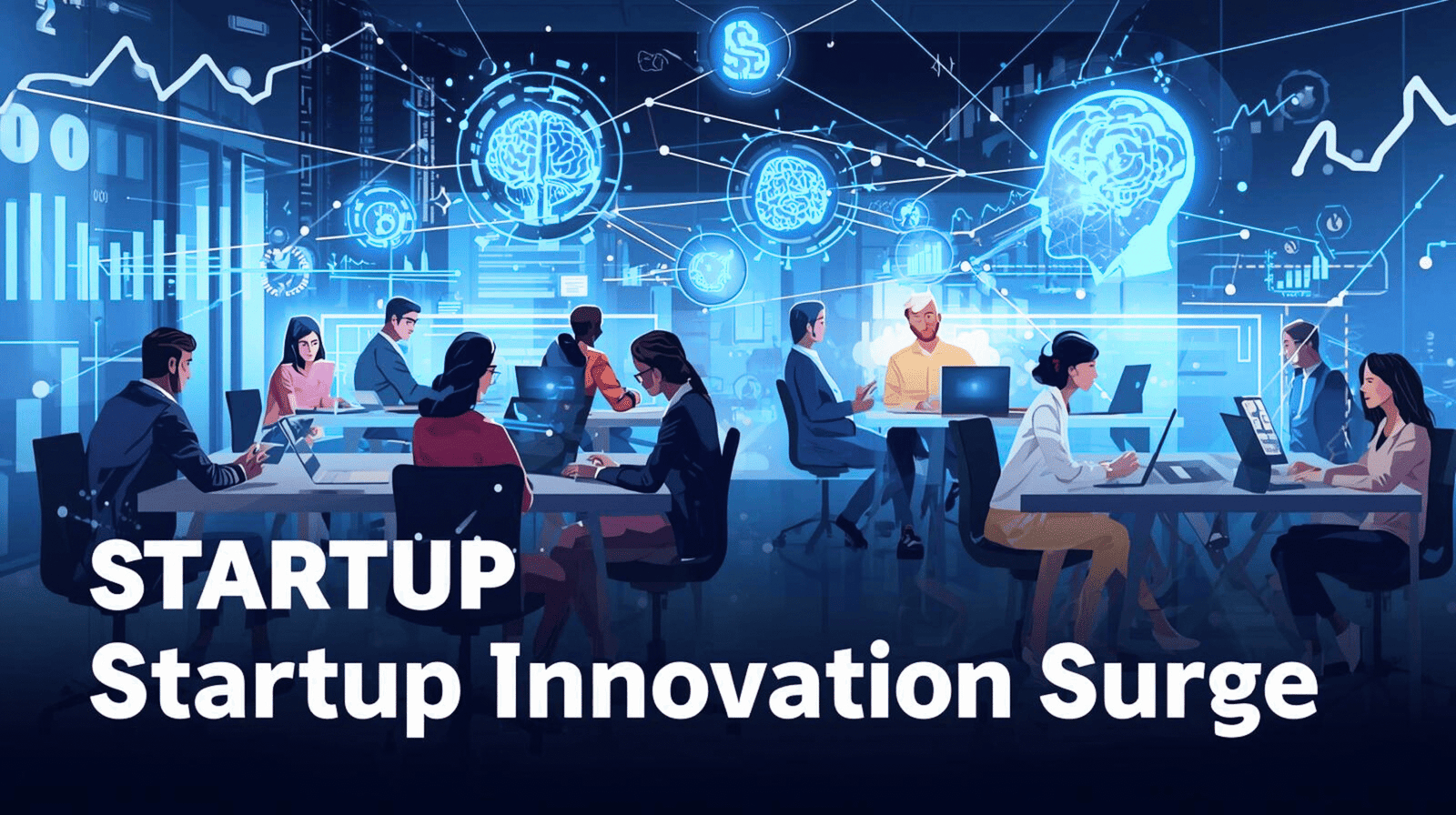



In a landmark push toward digital transformation, the Government of India has announced its intention to make Artificial Intelligence (AI) an integral part of teaching and learning across all levels of education by the next academic year. The move signals a significant shift in how classrooms — from primary schools to universities — will operate in the near future.
🚀 A Nationwide AI Education Push
The initiative aims to embed AI-driven tools, resources, and curriculum components into India’s education system, aligning with the broader goals of the National Education Policy (NEP) 2020 and the country’s ambition to become a global technology leader.
Officials have indicated that AI will not merely be introduced as a standalone subject but will become part of:
- Teaching methodologies
- Curriculum frameworks
- Skill development programmes
- Research and innovation ecosystems
- Teacher training modules
This marks a shift from limited pilot projects to a system-wide integration strategy.
📚 What AI Integration Could Look Like
The government’s vision includes multiple layers of implementation:
1️⃣ AI as a Learning Tool
AI-powered platforms may assist students with personalised learning pathways, adaptive assessments, and real-time feedback.
2️⃣ AI as a Subject
Students at secondary and higher education levels could study foundational AI concepts, coding, machine learning basics, and ethical implications of emerging technologies.
3️⃣ AI in Teaching Support
Teachers may use AI tools for lesson planning, performance tracking, grading automation, and student analytics to improve learning outcomes.
4️⃣ AI in Research & Innovation
Universities are expected to strengthen AI research labs and interdisciplinary innovation centres, supporting India’s growing tech ecosystem.
🎓 Alignment with NEP 2020
The National Education Policy emphasises technology integration, digital literacy, and future-ready skills. AI inclusion supports:
- Experiential and skill-based learning
- Multidisciplinary education
- Digital infrastructure development
- Global competitiveness in STEM fields
The government believes early AI exposure will prepare students for emerging industries and create a workforce aligned with Industry 4.0 demands.
⚖️ Opportunities and Challenges
While the announcement has been widely welcomed, experts highlight several key considerations:
✅ Opportunities
- Enhanced personalised learning
- Improved efficiency in assessment and administration
- Early exposure to future technologies
- Boost to India’s innovation and startup ecosystem
⚠️ Challenges
- Digital divide between urban and rural schools
- Teacher training gaps
- Infrastructure limitations
- Data privacy and ethical AI concerns
Successful implementation will depend heavily on teacher preparedness, funding allocation, and equitable digital access across states.
🌍 Why This Matters for India’s Future
India has one of the world’s largest student populations. Embedding AI into mainstream education represents not just a curriculum reform but a strategic national move to strengthen technological leadership.
If executed effectively, this initiative could:
- Democratise access to advanced technology skills
- Improve learning outcomes through smart analytics
- Position India as a global AI talent hub
However, ensuring that AI enhances — rather than replaces — human teaching remains central to the reform philosophy.
⚠️ Disclaimer
Disclaimer: This article is an original editorial summary based on publicly available reports regarding the Government of India’s plans to integrate Artificial Intelligence into the education system. The content is intended for informational purposes only. CareerVarta does not claim affiliation with any government body. Readers are encouraged to refer to official government notifications and the original source publication for complete details.